Safer workplaces. Steadier leaders.
People who feel seen.
I'm Jack O'Leary — counsellor, psychotherapist, facilitator and workplace mental health consultant. I help organisations understand and manage psychosocial risk, work with leaders under pressure, and sit with individuals and couples one to one.
One light, three ways in
Tell me which one you are and I'll take you straight there.
Psychosocial risk & workplace mental health
Worker consultation, thematic analysis, manager capability, Mental Health First Aid and practical recommendations leaders can act on.
Leadership coaching
Confidential, psychologically informed coaching for people carrying significant responsibility.
Counselling & psychotherapy
A confidential space to make sense of what is happening, on your own or together.
The hazard you can't see on a walk-around
Psychological health and safety is shaped by the way work is designed, managed and experienced. Workload, role clarity, support, change, conflict and exposure to distressing material are hazards in their own right, and they don't show up in a physical inspection.
The work goes beyond awareness training. It examines the systems, demands, relationships and working conditions contributing to risk, then turns the findings into practical action.
How the work runs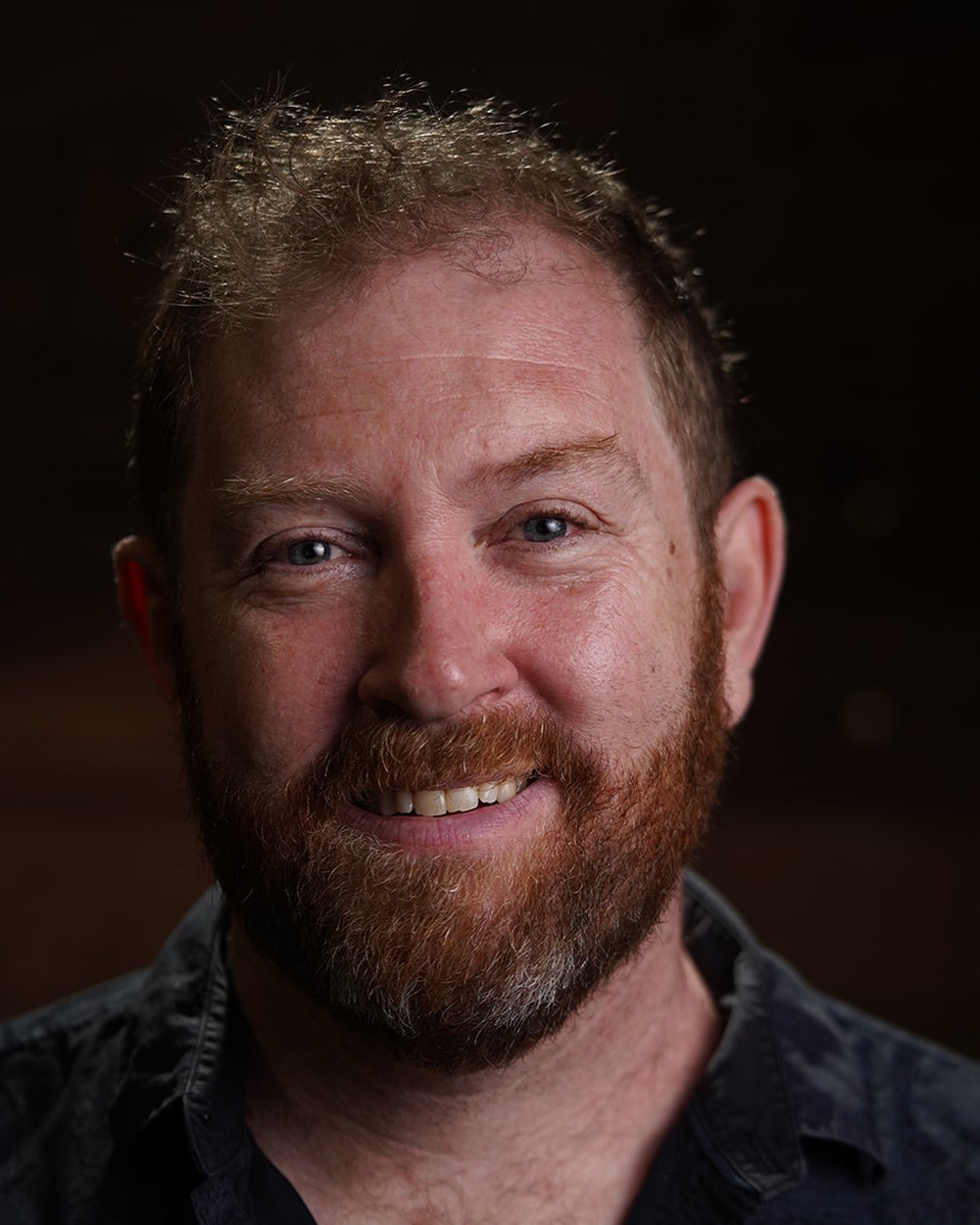
A lighthouse doesn't rescue the ship. It gives it something to steer by.
Start with a conversation
A 30-minute conversation to explain what is happening, clarify the context and consider the most appropriate next step.
Book a 30-minute conversation